

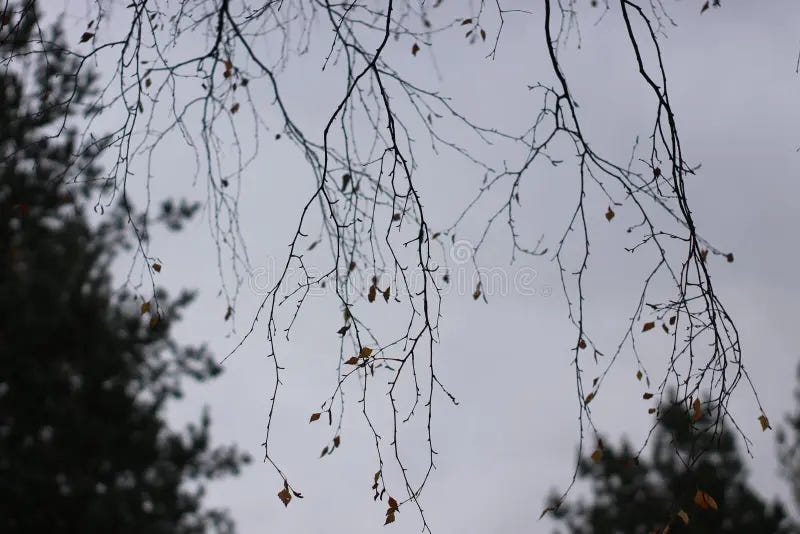
According to AI, Lithuanian humor is often described as “straightforward, slightly dark, and dry,” relying on sarcasm, irony, and absurd metaphors to cope with life under a “lead-colored sky.”
Those of you who know me personally should not be surprised. Our best humor comes out during funerals. Insults become verbal hugs. My one cousin once said he was named after the doctor. His brother shot back: “Yeah, but he was a Vet.” (as in veterinarian).
The Antidote to the Absurd
Humor is a survival mechanism. Research shows that when we are stressed or anxious, we become calmer after enjoying a good joke. Sharing laughter with others is a bonding experience. I’ve experienced plenty of bonding experiences lately because the world is tired and laughter is the antidote. Humor can also draw people closer together.
I was particularly funny at the dentist’s last week as the brunt of my own jokes. It seems I’ve dodged a root canal for now. I may be okay for ten years, but I could be dead by then—so there’s the good news.
When I need a plot twist while working on my sequel to Ona’s Tears, I know it is time to pull out the gallows humor and kill somebody off. That always makes me feel better. But when I have had enough of surfing the news on YouTube each morning, I switch to the satirists.
Political satire has roots in ancient Greece with Aristophanes and Rome with Juvenal’s biting critiques. It aims to hold those in power accountable. Historically, it’s been a dangerous game: Nixon didn’t just dislike satire; he treated it like an enemy operation, reportedly hiring private investigators to dig up dirt on the Smothers Brothers.
From Punchlines to Policy
Which rock group has four men who don’t sing? Mount Rushmore.

It’s easy to laugh at the stone-faced silence of the past. But today, the silence coming from the West feels less like a monument and more like a void. We tell jokes to celebrate Presidents Day, yet the data suggests the punchline is currently on us. The reality isn’t a play on words; it’s a shift in the world order.
This is no joke: Last updated on February 11th, 2026—387 days into the current administration—the president’s net approval rating is -18. While 38% still approve, I am more interested in the global fallout. A recent survey suggests we are “Making China—not America—great again.” Most Europeans no longer see the U.S. as a reliable ally. EU diplomats are no longer whispering about pushing back; they are planning for a “post-Davos” world.
As one diplomat put it: “Now that the trust has gone, it’s not coming back. I feel the world has changed fundamentally.”
The 1905 Connection: History Rhyming
When I traveled abroad, I realized how myopic American news is—a severe case of “American tunnel vision.” While our media was focused on Pam Bondi calling Jamie Raskin a “washed-up loser lawyer,” my attention shifted to the 130-year-old ghosts in the room.
I discovered that Raskin’s ancestral family left Russia around 1905—the same year my grandparents did to escape the Russian Revolution. We are two branches of a similar tree, planted in American soil only to watch the forest we left behind catch fire again.
On Feb 11, 2026, Euro News reported:
U.S. Aid: Largely withdrawn, with contributions reduced by up to 99%.
European Response: Noticeably increased, with Germany becoming the largest single military donor in 2025.
The Reality: Russia is a declining power sustaining massive losses—an estimated 1.3 million troops killed or wounded—yet Ukrainian civilians are freezing to death because of Putin’s war crimes. One news person gave an interview by flashlight.
For Whom the Bell Tolls (All Kidding Aside)
In 1905, my grandparents fled a revolution. In 2026, I watch a world where the White House fumbles peace mediation, risking an unenforceable agreement that fails to constrain Russia. The gap between these two tragedies is filled with jokes and dentist appointments. It feels irrational.
As Albert Camus famously noted:
“I said that the world is absurd, but I was too hasty. This world in itself is not reasonable, that is all that can be said. But what is absurd is the confrontation of this irrational and the wild longing for clarity whose call echoes in the human heart.”

My “wild longing for clarity” is why I dig through global surveys and ancestral history. The “irrational” is a world where trust has evaporated. Humor is how we survive the collision of the two. We joke about “Vet” doctors and root canals because if we didn’t laugh at the absurdity, the weight of the 1.3 million Russian casualties would crush us.
“Life is short,” says the old blessing attributed to Henri-Frédéric Amiel. “So, be swift to love and make haste to be kind.”
And if you can’t be kind, at least be funny. In a world that has lost its mind, a well-timed joke might be the only thing that still makes sense.
A question for you: Camus spoke of the “wild longing for clarity.” Where are you finding clarity—or at least a bit of sanity—in the headlines of 2026? I’d love to hear your perspective.
I wa t #2 as well, Donna! Hope you don't get snowed in on the train Judy. Humor and laughing at the absurdities of the current news cycle is helpful. Watching Colbert helps me sleep! Daily caregiver duties are sometimes overwhelming, but overall things are ok in NH as long as you don't live in Merrimack or trust our governor. Rachel Madow took her to task Monday. It was great. Talk soon!
Today Ash Wednesday. " catholic girls start much too late."
Your positive attitude and comic relief
Are refreshing. When will Ona's tears #2 be in book store?