

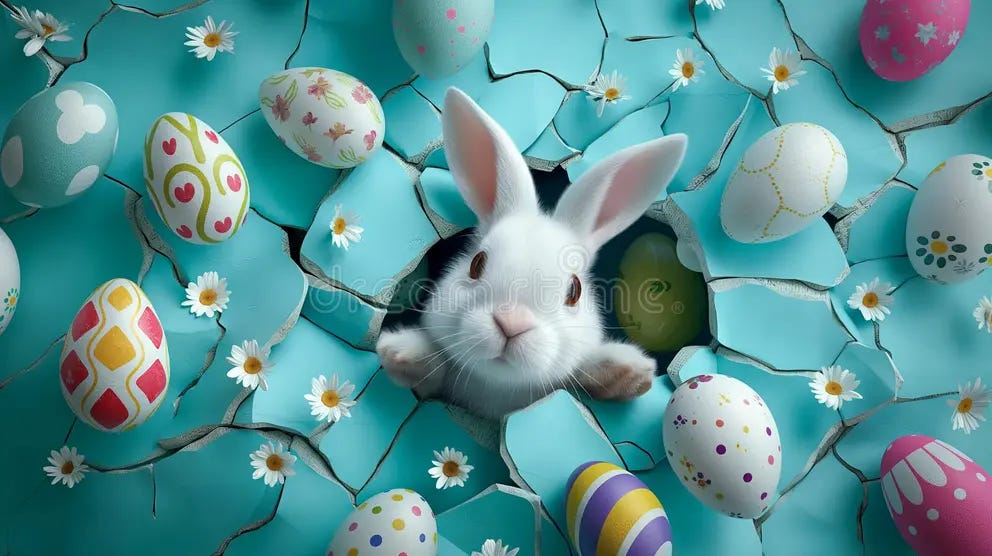
A Mother’s Worry
TSA lines and volatile weather launched the “airport nightmares” of Spring Break 2026. Since both of my children had travel plans, I was especially tuned in to the news. Ultimately, my daughter canceled her trip, and my son flew back from Japan on April 2nd, where the domestic TSA and Spring Break chaos weren’t an issue.
How is Spring Break Determined?
In the United States, Spring Break for universities and K–12 systems depends on term dates and where the Easter holiday falls on the calendar.
During my thirty years in academia, the “separation of church and state” was always a touchy subject during the week the college closed after the Fall semester. Our time off was technically a collection of saved holidays: New Year’s Day, President’s Day, Columbus Day, Veteran’s Day, and Christmas Day.
Today, Christmas and Easter have shifted from primarily religious observances to broader cultural and commercial festivals. This evolution involves the absorption of pagan traditions and a move toward secular celebration.
A Rabbit as an Easter Agent
The association of bunnies with spring comes from their reproductive abundance, making them a symbol of fertility long before “Easter” existed. Rabbits have deep roots in pagan spring festivals and were often given as offerings around the spring equinox.
The first connections between the religious holiday and the bunny can be traced to 8th-century Britain, when early Christians merged customs with the celebrations of the goddess Eostre (from whom Easter receives its name). Thanks to the candy industry, some traditions have adopted the name “Resurrection Sunday.” It makes one wonder: is Christmas up for a name change next?
Easter Eggs
Ancient Romans used vegetable dyes to color eggs, giving them away to symbolize new beginnings. Early Christians viewed eggs as symbols of fertility and abundance; they would refrain from eating them during Lent, preserving and dyeing them instead to be eaten first on Easter Sunday as a symbol of resurrection.
Family Tradition
When my grandparents moved to Baltimore, they lived in a Lithuanian community that practiced “picking an egg.” It is a perfect example of combining pagan and Christian traditions.
Before Easter dinner, we would each select a dyed egg (usually from a PAAS kit). We picked the one we thought was strongest, often testing them by tapping them against our front teeth. My dad loved telling stories of the neighborhood kids playing this game. You would hold the egg protected in your fist, and everyone would take turns cracking them—point to point, then “butt to butt.”
The one whose egg didn’t crack won the opponent’s egg. The boys made it interesting: a loser might swap their cracked egg for a dyed raw egg and slip it into the winner’s back pocket to be slapped later. But heaven help the boy who cheated by sucking the raw egg out, filling the shell with sugar, and letting it sit by the furnace until it turned into a rock-hard weapon.
Easter Baskets
The first Easter baskets were filled with foods forbidden during Lent, brought to church on Holy Saturday to be blessed. Because candy was off-limits during the fast, baskets eventually became laden with sweets.
If you’ve ever had a Mary Sue Easter Egg, you’ve tasted a Baltimore staple. Founded by the Spector and Ashton families in 1948, Mr. Ashton named the company after his daughters, Mary and Sue. Both eventually became nuns. It must have been hell not being able to eat that chocolate!
Dropping “Easter Eggs”
Now that my first book is published, readers of Ona’s Tears might remember the “easter eggs” I dropped throughout the story. I’m currently working on the sequel and applying those same subtle nods—a trick I learned from authors who specialize in world-building.
Running Against the Wind: A Reflection
Holidays are their own kind of rabbit hole; they remind us of those no longer with us. The petals from spring trees—the cherry blossom, flowering pears and magnolias—are short-lived. Driving through a tree-lined street during a “petal storm” is unforgettable.
After my mother passed, I had the good fortune to “adopt” two mothers also born in 1918. One lived to 80, the other to 102. Both were vision-impaired, yet they were in absolute awe of the petal storms we drove through.
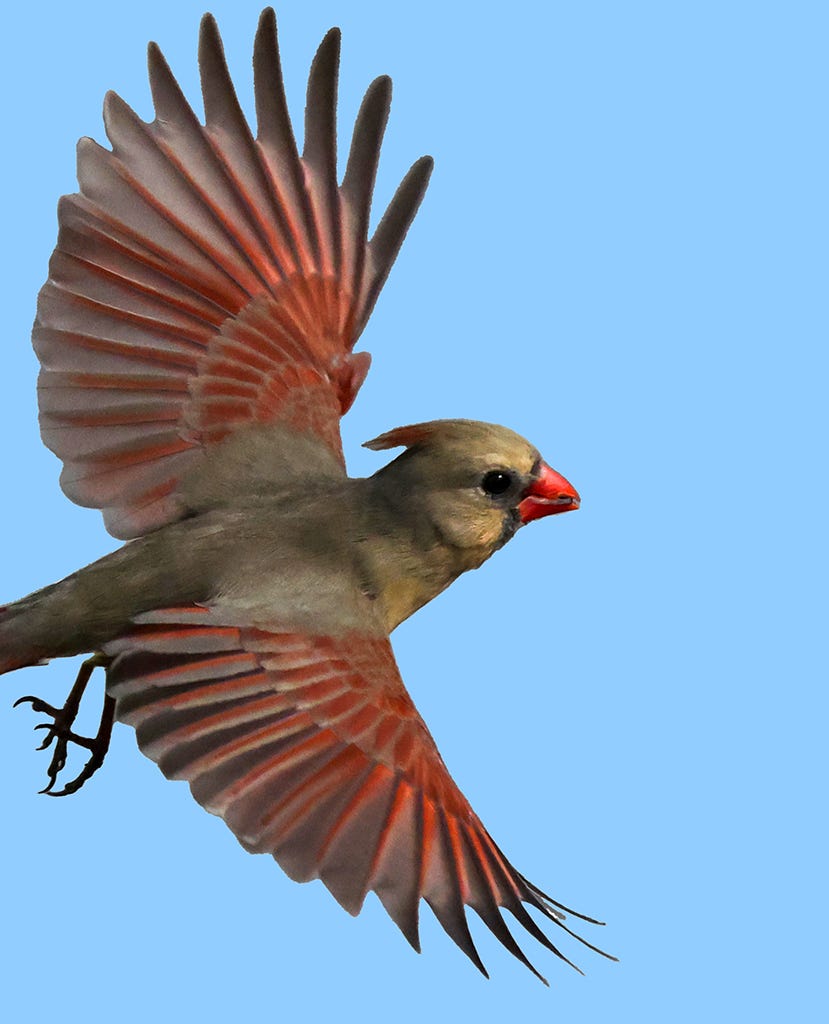
On my drive home from Easter service, a female cardinal nearly flew into my car. She caught the wind just in time, veering away from my left headlight. Many believe cardinals are symbols of the deceased visiting us. At that exact moment, Running Against the Wind was playing on the radio.
The song is a mid-tempo ballad about aging and pushing through life’s challenges. Bob Seger once said:
“I always say it’s human nature that people are gonna love you sometimes and they’re gonna use you sometimes. Knowing the difference... that’s what ‘Against the Wind’ is all about.”
“I’ve got so much more to think about
Deadlines and commitments
What to leave in, what to leave out”
What do those lyrics mean to you as you run against the wind?
That mother cardinal got my attention. Perhaps she got yours, too.
Thank you, Judith. We have a cardinal's nest under construction in the apse of the picnic table umbrella. This is the third year. 😎
Hi Judith,
I came back to reread. So much in here! I learned quite a lot. And yes, the cardinal - such a magnificent tiny creature. I don't believe seeing one is a sign someone deceased is visiting, but then again... it's a lovely thought. And definitely fits with my theme this week about finding beauty!