World-building for Ona’s Tears required blending my family’s history in Baltimore, Maryland with a meticulous recreation of a village in Lithuania.
The Baltimore setting (Parts One and Three) is firmly rooted in my family’s immigrant experience.
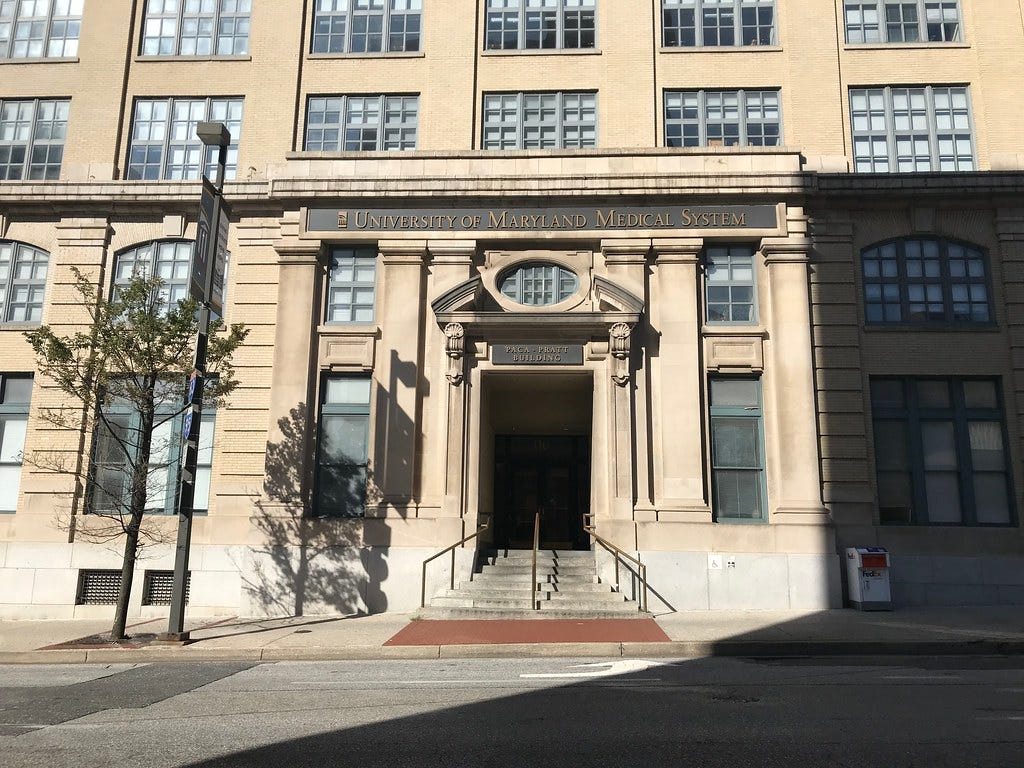
I knew my grandmother sewed buttons on uniforms but not where she worked. I could not find a factory that specialized in uniforms, but Sonneborn (pictured above) was perfect.
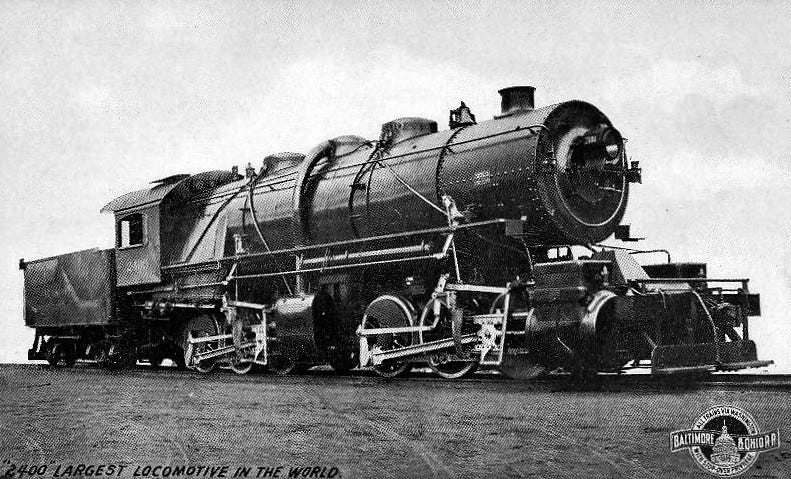
My paternal grandfather worked for the Baltimore and Ohio Railroad from the day he arrived in Baltimore until the day he died. The B & O museum today is a fraction of the industry that employed up to 3,000 people during its peak. Many of the buildings have been torn down. Here is a picture of Old Maude.
A few years ago I found a Silent Book Club on Meet-up. After signing up. I learned we meet at the Old Major Bar on the corner of S. Carey and Herkimer Streets. When I arrived for my first meeting I said, “I haven’t been in here since I was a toddler,” and that was true. The original bar was built in 1900 but the wood floors have been replaced with laminate and no longer smell of spilled beer.
Readers will walk past this bar many times in their imagination. If you live in the area I strongly suggest you stop in. Their website: Old Major Bar suggests you check their hours before you come.

To create worlds worthy of Ona’s Tears, I channeled my muse, Louise Penny. I have read all of her 20 books that revolve around the Village of Three Pines. Drawing on her example, I knew my Lithuanian setting needed to feel equally real, even before I set foot there.
Google maps helped me find Šilelis, a town in the Kaunas District Municipality.
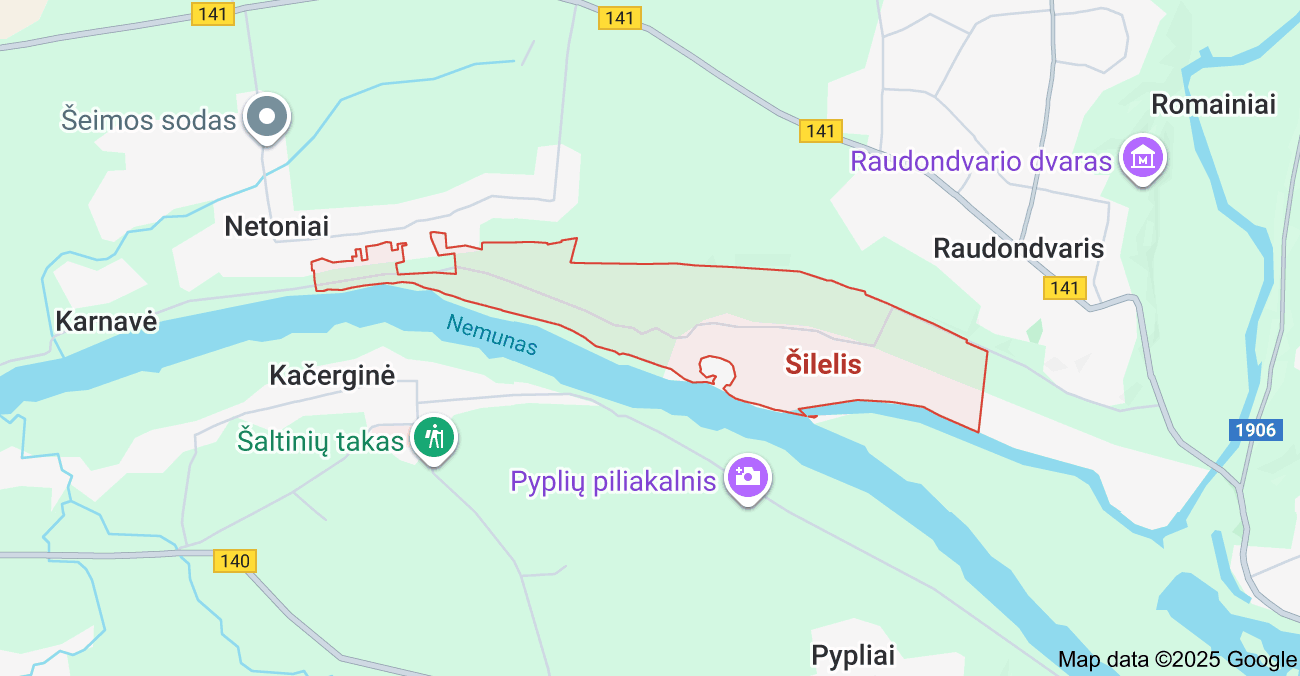
It had what my village required: close to the 9th Fort in Kaunas, a river flowing by a peninsula for the cows to swim to and graze, and fields surrounded by woods. Based on the geography, I drew a map of my village to include individual trobas I populated with my characters. I added main work buildings, the village square and designated the open field for growing flax.
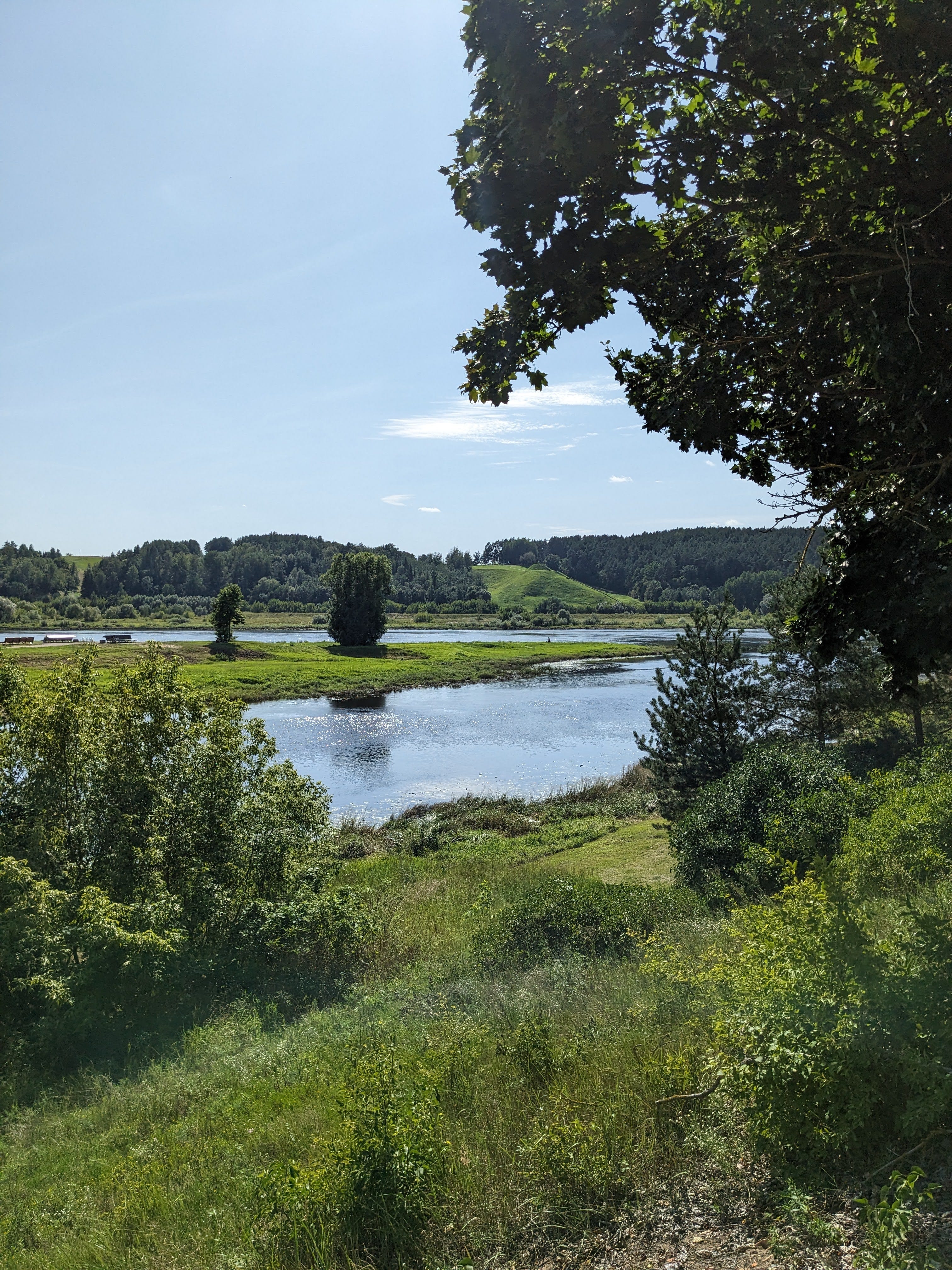
My family and I drove to Šilelis, my fictional flax farm in Ona’s Tears Part Two. It was as I pictured. There was a cemetery near the woods an open field and houses with river views. Some were new builds with long private driveways and many were renovated original homes as found in feudal estates. I spotted a dirt road that led to the river and discovered a troba in ruin.
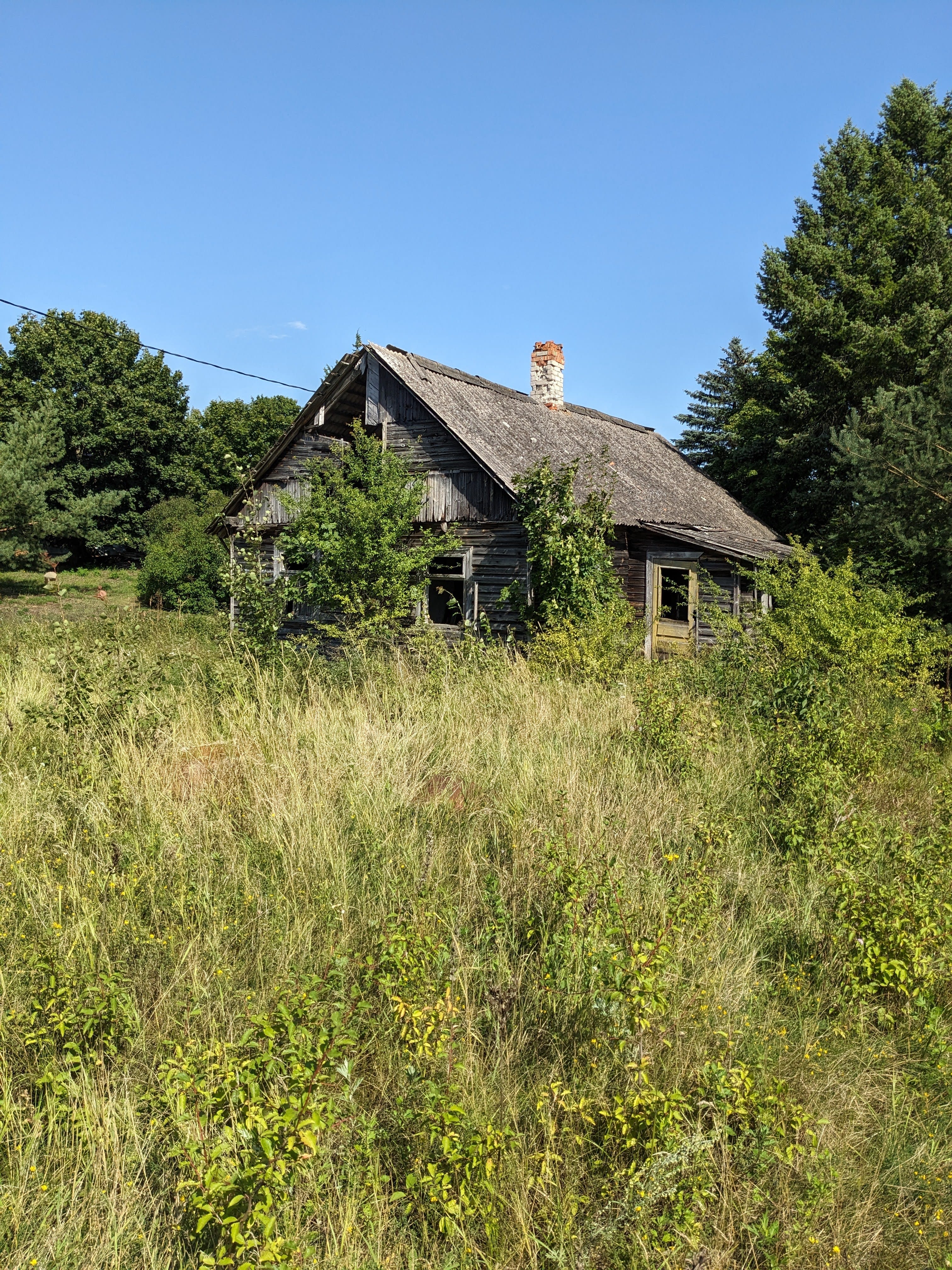
It was built like the one I describe, set on a hill that leads down to the Nevėžis River that flows into the Nemunas. (picture below)
We also found the home of my maternal ancestors in Šiluva. It most likely belonged to a collective farm or a feudal estate where the manor built small houses for the serfs. You will learn more about Šiluva in my second book.
Whether one travels abroad to the town of Šilelis or is on the bustling streets near Old Major, I hope my readers feel fully transported and immersed in the world of Ona’s Tears.