

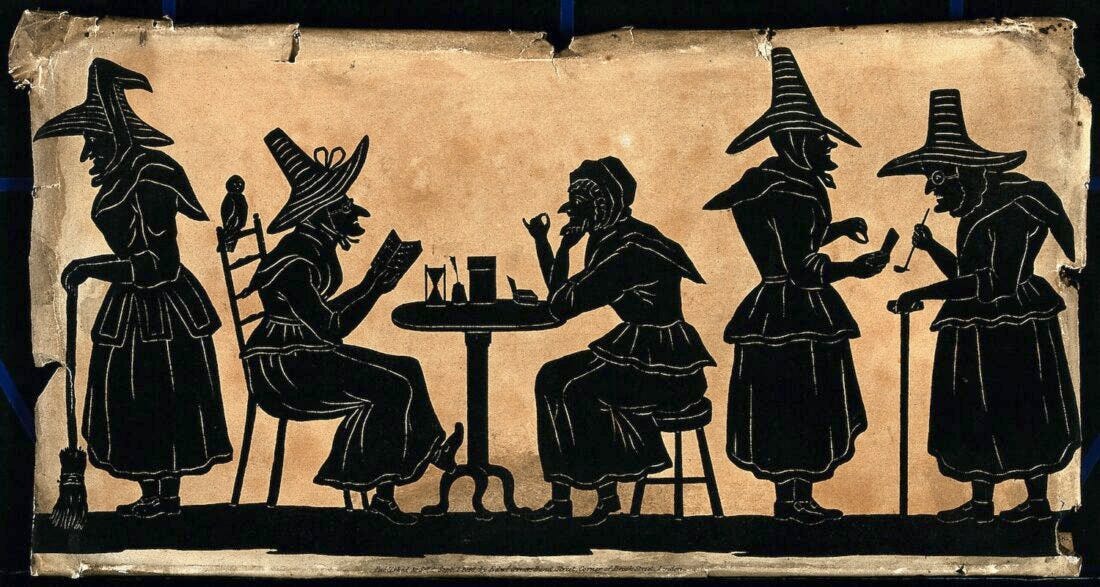
“If you want to find a witch these days, you don’t have to look far,” writes Asa West in her article subtitled: Witches teach us how to push back — and raise hell — in the face of authoritarianism.
On Saturday, this good witch attended the no Kings rally. It was more like a festival with dogs and children having a good time among the very large crowd carrying signs and listening to horns honking in support. It was a gorgeous fall day and people were happy with a sense of hope in the air. Maybe the good witches had cast a spell on the country.
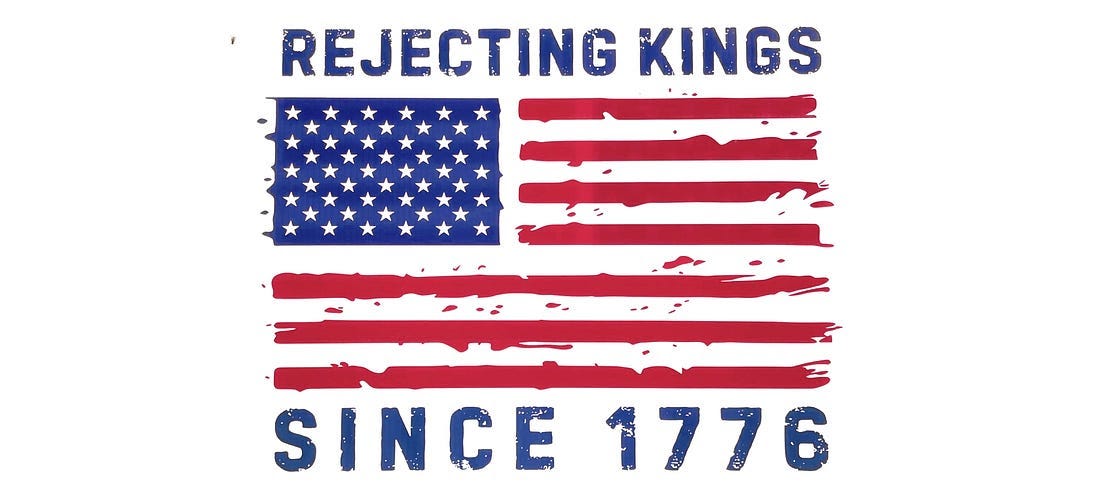
There was a man dressed up in a Revolutionary War costume carrying a sign that read:
Robert A. Selig is a historical consultant who published a number of books on the American War of Independence. This is what he had to say about witches, “Dogs that would not bark, horses that would not walk, women who turned into animals at night: the belief in the existence of witches and witchcraft was widespread during the second half of the eighteenth century. Sometimes these powers were employed in the cause of American Independence, sometimes against it.”
After the rally I drove back through a beautiful neighborhood. Witches and skeletons were everywhere on over-the-top decorated lawns while the child-friendly inflatables lay in puddles waiting for their evening timers to come on and blow them up.
A witch is Baba Yaga from Slavic folklore: a frightening and ambivalent figure who lives on the fringe of society, capable of both healing and cursing. Her power is not strictly good or evil, but a wild, amoral force of nature. She embodies a complex “both/and” logic, representing the full spectrum of nature—both the nurturing and the destructive. Her actions, whether seemingly beneficial or harmful, often serve to bring about a deeper transformation in the heroes she encounters. Her tasks force individuals to confront their fears and learn from the challenging circumstances she presents.
“‘Fair is foul, and foul is fair,’ chant the witches in the opening scene of Macbeth, signaling their allegiance to darkness and wickedness. Today, the line strikes a different chord, as fascists commit atrocities and paint themselves as the heroes. If the Trump regime is a fun-house inversion of morality—Empathy is bad! Bombing children is good!—then maybe, to find a true moral compass, we need to delve into the things they consider wrong or evil. What surprising, nourishing, hidden goodness might we find there?” Asa writes.
What does it mean to love a country? “To keep living, keep fighting, resisting, even when we look beside us and see those who keep the most unbearable opinions and have forgotten what (it) means to be human,” wrote Viktor Kravchuk’s in his post from Ukraine on October 18 in support of America’s No Kings Day.
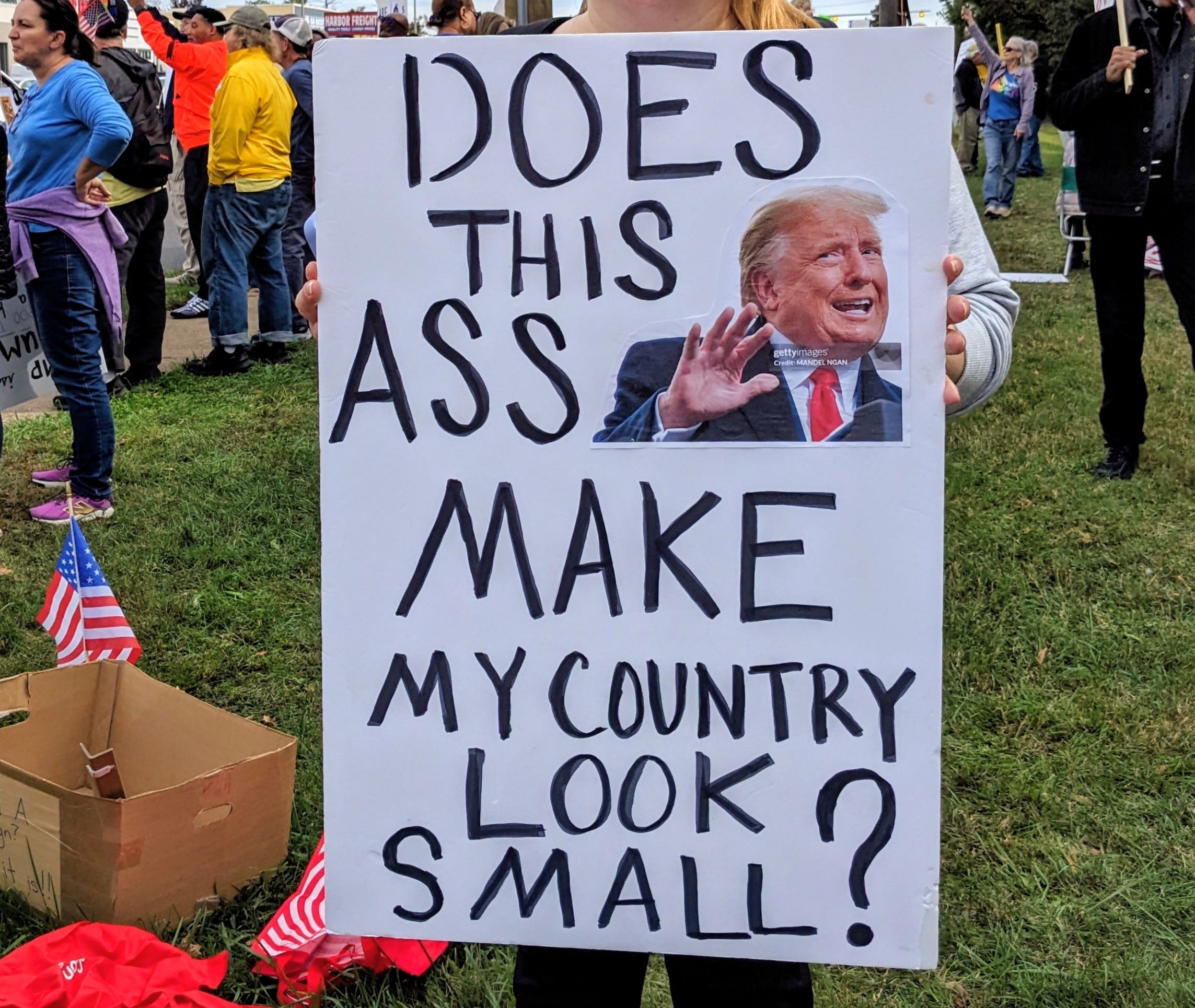
(taken by me October 18)
Most of us love this country although there are people who walk among us who want to destroy it for personal gain. We have been pushed into our divided corners to defend ourselves against the most unbearable opinions of the others. Self defense is self preservation, however; do we know what we are fighting? When we remember how to listen and discuss we may find common ground against a true enemy. Maybe the enemy within all sides of any discussion is the ability to lie. Lying has not only lost its stigma — it’s become a viable strategy for success. Does this sound familiar? It’s time to examine and reset our personal moral compass.
