

Today is Labor Day, but it doesn’t quite feel like it. Depending on where you live, some kids are already back in school while others are still enjoying the break. For me, it marks a return to focus—diving into serious writing, research, and upcoming book signings.
Being an historical fiction writer has made me fall in love with research. As authors, we can invent characters, but we cannot change history. One of my main areas of focus is early 20th-century Russia, inspired by my Lithuanian immigrant ancestry. They were unable to pass down their story directly, so I am building their world based on historical context and my memories of them as people.
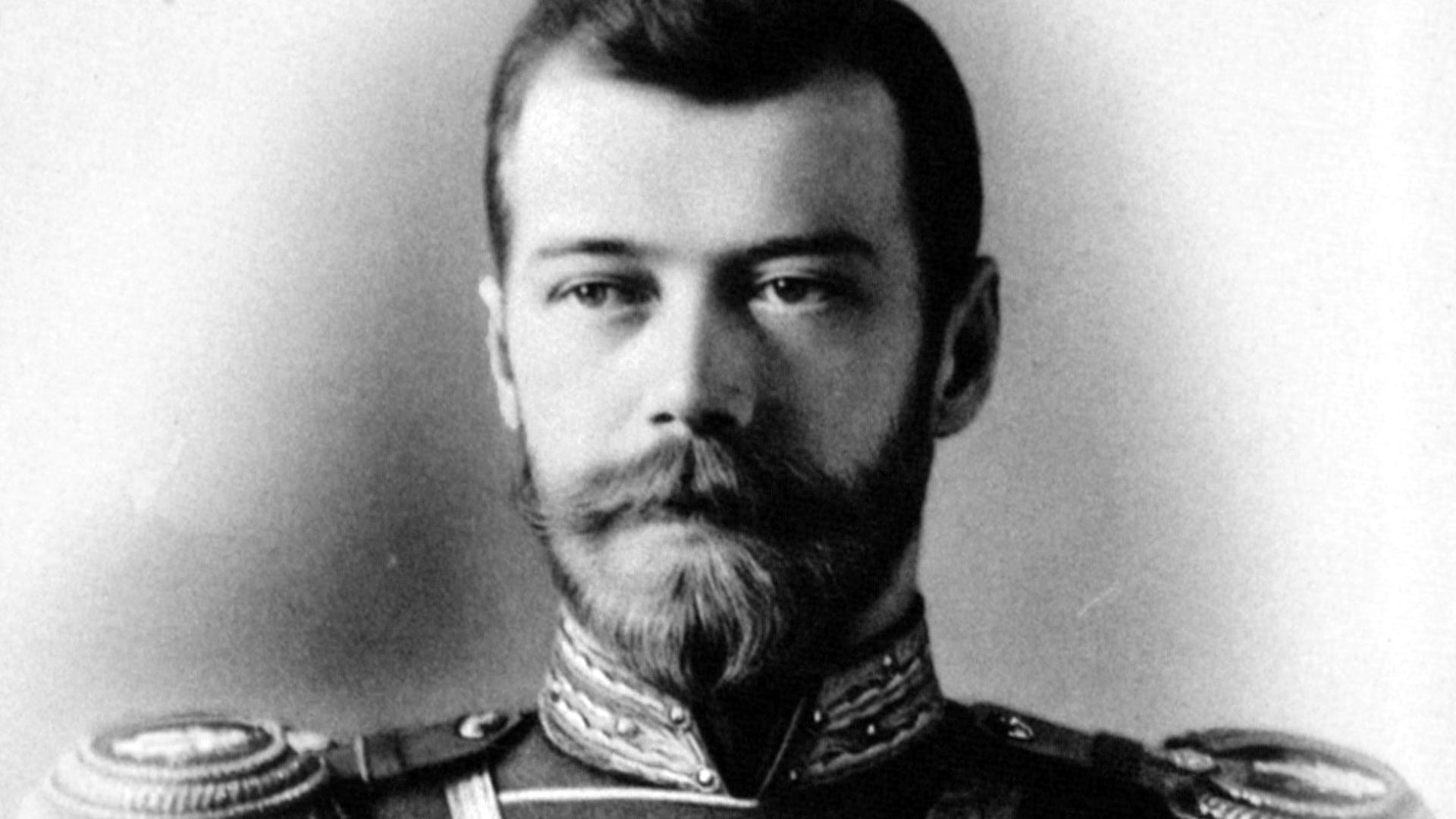
Nicholas II - A. A. Pasetti on Wikimedia
All four of my grandparents left Lithuania just prior to the Russian Revolution while Tsar Nicholas II was in power. His story is woven into my first historical novel, Ona’s Tears, as well as my current project, Rooted in Baltimore. My maternal grandmother passed away before I was born, but apparently worked for one of the Romanovs (in my fiction, she works for the Tsar himself). Although Nicholas and his family were executed in 1918, details surrounding their fate remained largely shrouded until decades later. My paternal grandmother lived her entire life in fear of the Tsar’s secret police until her death in 1968.
In my counseling background, I learned a key principle: parents usually do the best job they can based on their own personal history. But how does an autocratic figure like Tsar Nicholas II compare to a modern authoritarian like Vladimir Putin?
Nicholas II vs. Vladimir Putin
Thanks to modern digital archives, my research into Russia’s past and present has deepened significantly. While many Americans may struggle to connect with the ongoing war in Ukraine, my background makes its importance clear. Vladimir Putin seeks to reclaim the sphere of the former USSR and refuses to accept setbacks in Ukraine.
In contrast, Nicholas II appears almost like a dedicated family man. Historical records note:
“Most of the Emperor’s personal money went to donations, pensions, the maintenance of boarders, hospitals, educational institutions, charitable organizations, for benefits, gifts and monetary awards.”
Unfortunately, the Tsar’s attention was often consumed by his son Alexei’s health rather than the complex realities of governing an empire.
When I studied Russian history in college, Lithuania was still part of the USSR. We trudged through Anna Karenina long before its modern film adaptations, though Dr. Zhivago dazzled screens in 1965. I did not fully grasp the fact that Lithuania was part of Russia because the United States continued to honor the independence of the Baltic States after the end of World War I. Lithuanian and Russian history was very complicated.
Today, figures like Donald Trump and Vladimir Putin seem unwilling to accept the realities of their respective conflicts. This raises an important question: Is this a matter of competence, leadership style, or underlying personality traits?
When Incompetence Meets Absolute Power
An insightful article titled “20 of History’s Most Incompetent Leaders” examines what happens when the wrong person ends up in charge.
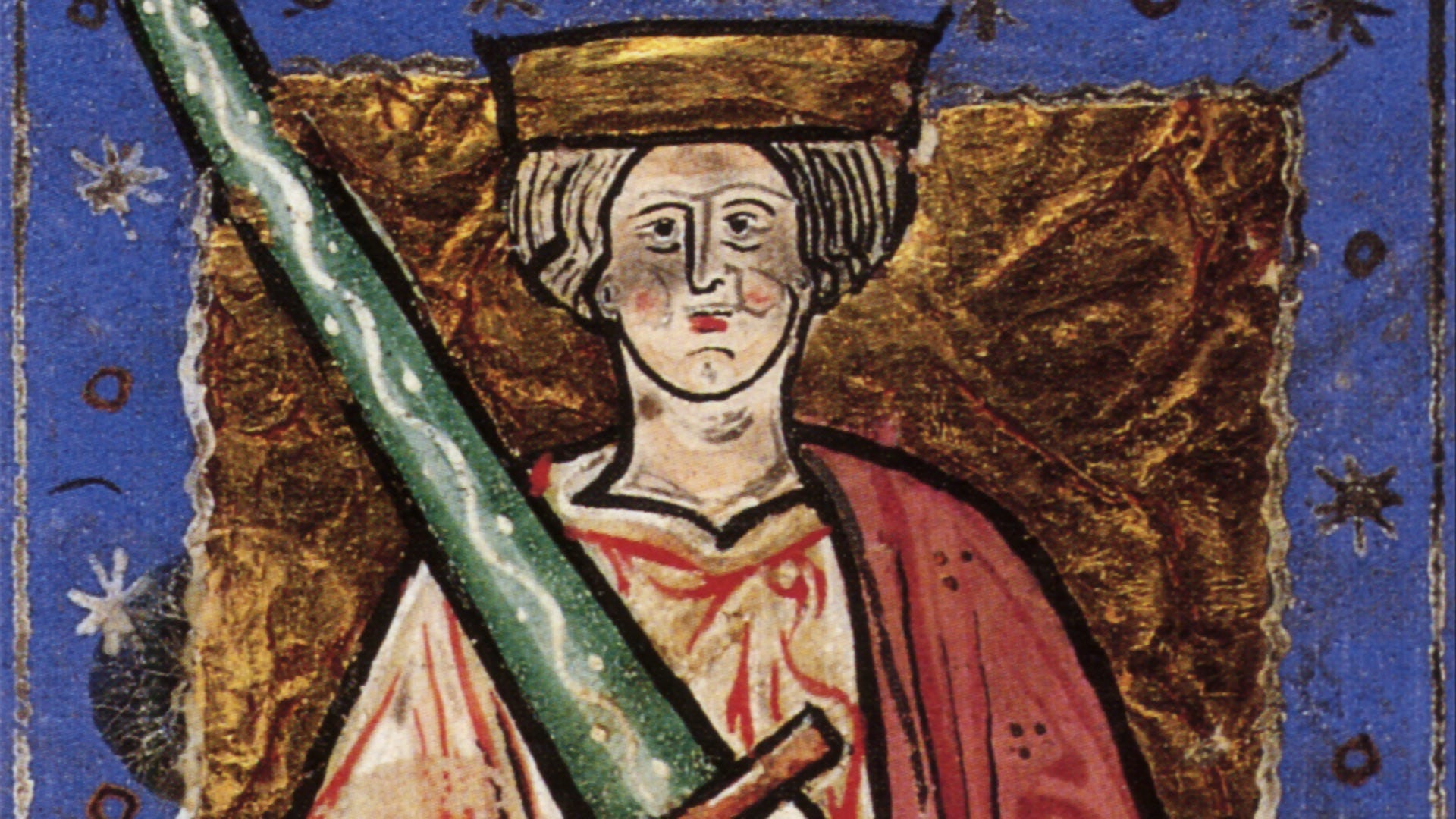
Ethelred - See description on Wikimedia
Featured in many Netflix series, many of you will recognize Number 4 on the list, Ethelred the Unready (978–1013, 1014–1016):
“The nickname ‘Unready’ is actually a mistranslation of the Old English ‘unræd,’ which means ‘poorly counseled’ or ‘ill-advised’.... He spent much of his reign paying enormous sums of silver, known as Danegeld, to Viking invaders in exchange for temporary peace rather than mounting any effective military defense. He was eventually driven off his throne by the Danish king Sweyn Forkbeard, fled to Normandy in exile, and was only restored to power after Sweyn’s sudden death in 1014.”
Surprise! Number 9 on the list is Tsar Nicholas II (1894–1917):
“The last tsar of Russia... demonstrated in vivid detail what happens when an autocratic ruler refuses to adapt to the political realities closing in around him. He dismissed early opportunities for constitutional reform, allowed the disastrous Rasputin to gain influence over his court through his wife Alexandra, and led Russia into a catastrophic involvement in World War I that the country’s infrastructure simply couldn’t sustain. The February Revolution of 1917 forced his abdication, and he was executed along with his entire family by the Bolsheviks in July 1918.”
The Psychology of Leadership: Selfishness vs. Narcissism
While “selfishness” is often a subjective label, historical figures are often categorized as such when they prioritize personal ambition at the expense of the common good.
I found this interesting article on a study analyzing the most and least narcissistic U.S. presidents between 1897 and 2009 highlighting specific trends:
“According to the study, presidents high in narcissism focus on maintaining their inflated self-image during war by striving desperately for victory. These narcissistic leaders will tend to only exit wars if they can say they have won….
Presidents don’t always look rationally at the evidence to make their wartime decisions. Many presidents have done that, but others are more interested in their own self-interest than the interest of the state.”
It speaks for itself that great leadership and Narcissism are not a good mix.
Famous Narcissistic Leaders In History
Adolf Hitler - Probably the most famous Narcissist
Benito Mussolini
Kim Jong-II
Saddam Hussein
Muammar Gadaffi
Idi Amin
Mao Zedong
Robert Mugabe
Francisco Franco
Emperor Nero
(Note: Identifying these traits in historical or public figures does not constitute a formal clinical diagnosis, which requires direct evaluation by qualified professionals.)
Common Traits of Authoritarian & Narcissistic Leaders:
Grandiosity and exaggerated self-importance
Authoritarian, egocentric, or oppressive rule
Marked lack of empathy
Heavy reliance on propaganda, image-building, and self-promotion
Cult of personality
Obsession with absolute power and control
Defining the Malignant Narcissist
Clinical literature differentiates standard Narcissistic Personality Disorder (NPD) from Malignant Narcissism:
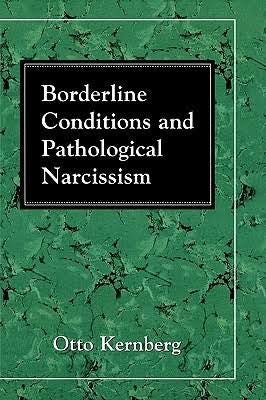
“Malignant narcissism is a severe personality organization (not disorder) that combines pathological narcissism with antisocial behavior, paranoid tendencies, and ego-syntonic aggression, meaning aggression the person experiences as acceptable and even satisfying. It is not a formal diagnosis in the DSM. It is a clinical construct, most fully developed by the psychoanalyst Otto Kernberg, who described it as one of the most difficult character structures to treat….
A person with NPD typically craves admiration, struggles with self-esteem that swings between grandiosity and collapse, and can be exploitative, yet still relies on others for validation and often experiences shame when the grandiose image fails. Malignant narcissism adds three elements that change the picture: sustained aggression that feels justified, paranoid mistrust that frames others as threats, and antisocial disregard that removes the internal brakes of guilt. Where the person with NPD wants to be admired, the malignant narcissist is willing to be feared.”
Neither Judge Nor Diagnostician
We should avoid judging historical events solely through modern assumptions. As Sergeant Friday famously noted, “All we want are the facts, ma’am.”
What are your thoughts on these historical parallels and research findings? If you have additional sources (hyperlinks welcome) or perspectives to share, let’s discuss/share them in the comments section below.
If you want to learn more about World-building through historical fiction, please subscribe for free. Clicking the ❤ button is not an endorsement. It just lets me know you were here. 🐾
Thank you. We get caught up in personalities and can lose sight of the behavior.
Brilliant, Judith. I am going to review the links that you sent. Kudos🙏🏻