

Interpersonal Group Dynamics was a loaded course in the 1970’s. That was the era when group psychology shifted from corporate efficiency to deep personal growth, raw confrontation, and uninhibited emotional expression.
When my husband took it back then, he came home and told me there were women in his course who understood him better than I ever could. A few years later, after safety guidelines were added, I took the same course. We were warned that our “T-groups” were intensely emotional, boundary-pushing experiences—not real life. The core premise was simple yet volatile: using raw, real-time peer feedback leads either to breakthrough self-awareness or severe emotional distress.
Participants openly shared brutal, unfiltered impressions of each other’s personalities and habits. I vividly remember one woman being confronted for wearing the exact same clothes to every single class. I can’t recall her exact words, but her response was blistering:
“My house burned down, you stupid [fill in the blank]!”
I completed the class in December 1976 and was divorced by March 1977.
From the T-Group to the Therapy Room
I went on to complete another graduate degree to become a psychotherapist. (I had originally planned to become a Clinical Psychologist, but that plan got derailed.) I built a solid track record as a therapist.
I still remember a session with a client who felt completely powerless when trying to stand up for herself. I told her: “When someone accuses you of being defensive, tell them: ‘You’re damned right I am.’”
I explained to her what a total lack of defensiveness actually means. Everyone has the right to protect themselves from perceived threats, attacks, or unfair judgment. Defensiveness only becomes counterproductive when it is an automatic reflex rather than a conscious choice—because we still need to own up to our actual mistakes.
From the Therapy Room to the Classroom
In 1981, I started teaching as an adjunct professor. One of my favorite courses to teach was Men and Women in Management.
At the time, the word “girl” was a loaded term and considered deeply politically incorrect. There were “Men’s” and “Ladies” rooms everywhere. Wedding announcements proclaimed the happy couple “Man and Wife.” Some of my male peers even felt the word “woman” sounded crass.
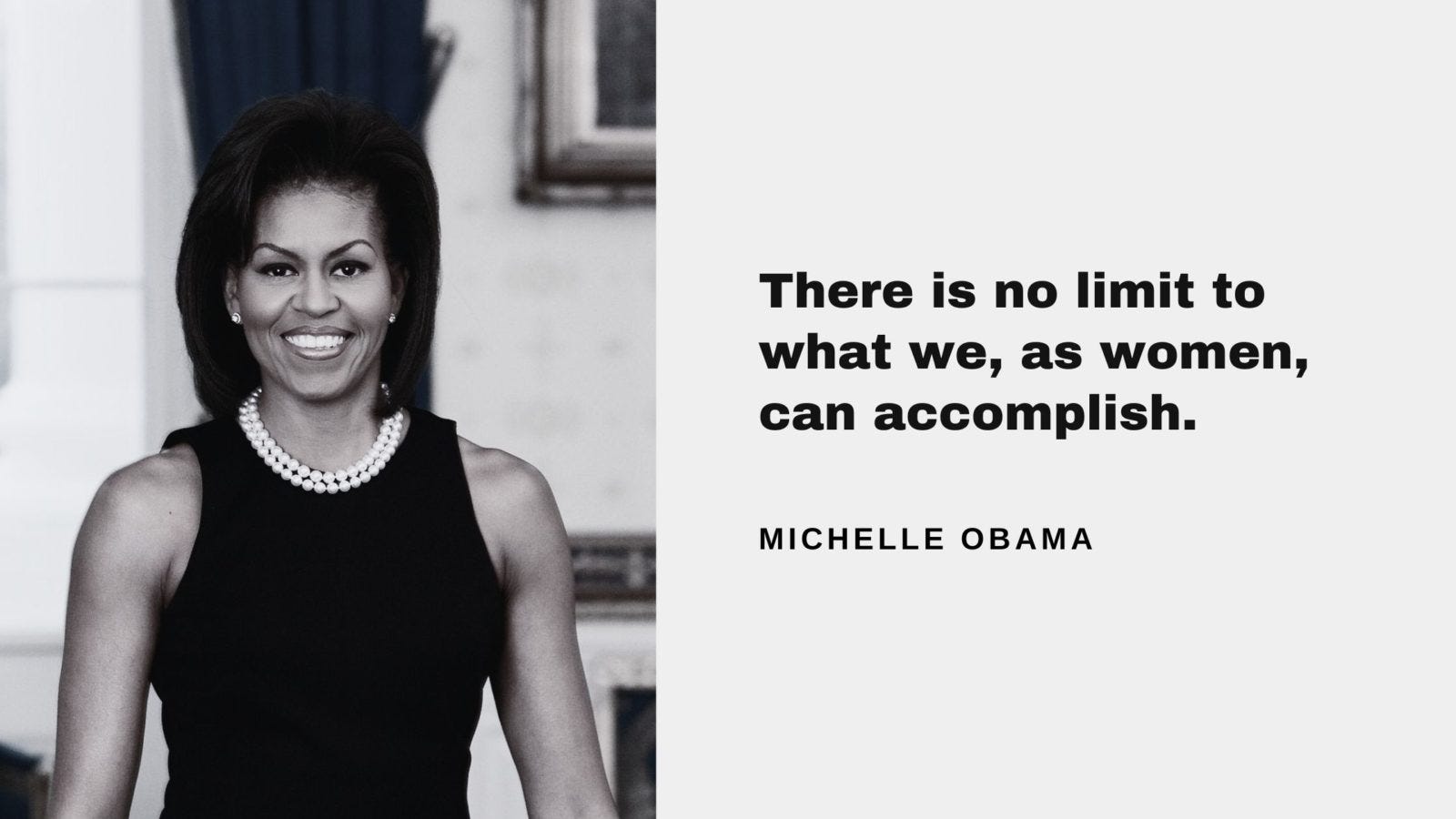
I still get offended when adult women are called “girls” today, especially in the workplace. It is a generational sore spot after all the work my peers and I did to correct that power imbalance.
Everyday Speech vs. Social Shifts (1970’s)
Casual References: People routinely called adult female office workers, waitresses, or friends “girls” regardless of their age.
Professional Imbalances: Bosses and coworkers consistently used “the girls” to refer to female staff, treating them with far less authority than male colleagues.
Feminist Pushback: The women’s liberation movement of the 1970’s aggressively challenged this habit, arguing that infantilizing women kept them in a secondary status.
Legal Progress: Milestones like the Equal Credit Opportunity Act of 1974 helped move society toward recognizing women as independent adults rather than dependents.
Before that pushback, however, many women deferred to men and loved being called “girls.” My dad and I talked about this often. He was a handsome man who worked as a buyer for an upscale department store. The “sales girls”—many of his age or older—expected him to compliment their appearance. He told me they thought he was angry with them if he didn’t. It was simply the accepted social norm of that generation.
I still bristle when I hear adult women called “girls.” Whenever one of my therapy client’s male friends mentioned a “girl” he was dating, she would dryly ask: “Who is this prepubescent wonder?”
Forgive Us Our Foibles
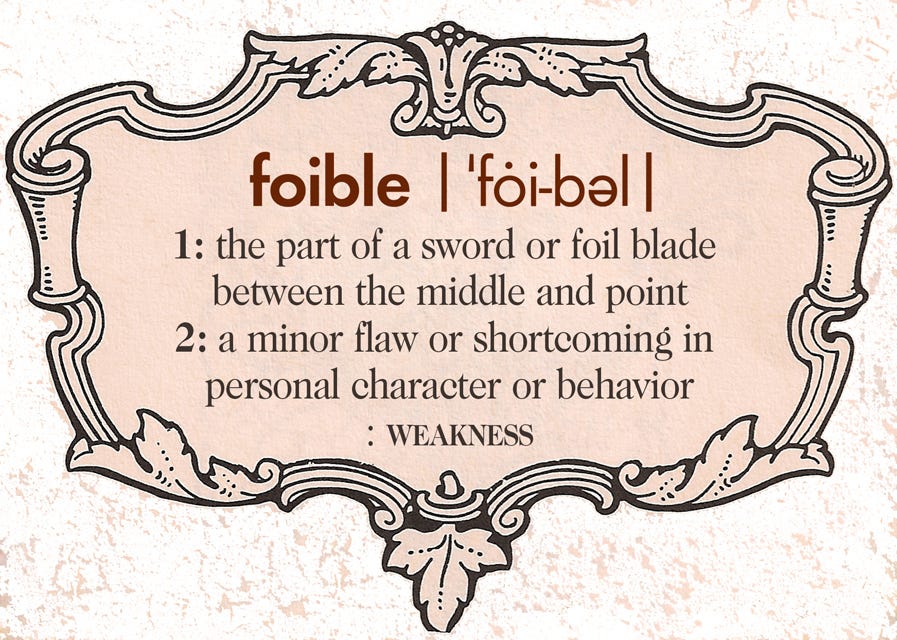
My horoscope on August 7 read: Own up to foibles. Not only will it encourage others to cop to theirs, but it also introduces much-needed bonhomie.
Curious, I asked my AI assistant what this meant in plain English:
“Admitting your minor quirks and flaws creates a warmer, more open atmosphere for everyone. It is a call to drop the pretense of perfection because self-awareness and humble honesty build trust and ease in relationships much faster than trying to look blameless.”
I have plenty of foibles, and I’ve made my share of conversational and written PC errors over the years.
Back in February, an Episcopal Minister gave a presentation and introduced our group to the term “recovering racist”—a self-applied label used by individuals who recognize that they have internalized systemic biases or unearned privileges, and are actively working to unlearn those attitudes.
Baltimore is often cited as the birthplace of American redlining. I was 18 years old during the Baltimore riots of April 1968, coming of age under strict segregation laws. So I raise my eyebrows when peers from my grade school days claim they were never racist. That is the exact difference between performing “political correctness” and honestly admitting to a foible.
Navigating Today’s Intergenerational Landmines
This brings us to the present day. It is difficult enough to be labeled a “Boomer” and scapegoated for grandfathering in old habits.
“Back in my day, there was respect for elders!”
“Nobody wants to work anymore!”
“Why don’t you just call them on the phone instead of texting?”
(Though personally, I actually prefer asynchronous communication and scheduled phone calls!)
Since I seem to be the one stepping on conversational landmines lately, I put some effort into learning how to avoid them. I turned to my AI friend once again to map out today’s landscape:
“Talking across different age groups can feel risky when hot-button topics trigger quick judgment. In 2026, common conversational ‘landmines’ between generations often involve clashing views on work ethic, economic realities, technology, and social values.”
Top Generational Conversational Triggers
Workplace & Ambition: Debating “quiet quitting,” remote work flexibility versus physical office presence, and company loyalty.
Economy & Housing: Comparing how hard it was to buy a home “back then” against today’s housing shortages and cost-of-living realities.
Technology & AI: Weighing the value of artificial intelligence and screen time against traditional human skills and face-to-face focus.
Social Norms & Language: Navigating changing terminology and identity without older generations feeling policed or younger generations feeling invalidated.
Global & Climate Anxiety: Discussing future outlooks where younger generations express systemic doom while older generations advise patience based on historical progress.
Who Do We Want to Become?
I am not afraid of adapting to an ever-changing world. I actively seek out the company of younger people because I want to learn what we share in common.
To repeat what I shared recently: On July 28, Mary Trump delivered a speech where she posed three crucial questions:
“Who are we now? Is this who we want to be? If it is not, then who do we want to become, and how do we get there?”
When I asked AI for practical tips on safe intergenerational dialogue, it suggested:
Listen to understand: Ask relative questions about why they feel a certain way instead of assuming they want to lecture or dismiss you.
Avoid sweeping labels: Resist blaming an entire generation for systemic issues or individual actions.
Validate feelings first: Acknowledge that life experiences and economic baselines genuinely differed across decades before debating solutions.
These tips immediately reminded me of that 1970’s Interpersonal Group Dynamics course. The underlying human principles haven’t changed at all—it’s just the vocabulary that evolves.
Forgive Us Our Trespasses
Making mistakes is an inevitable part of learning. Most people will occasionally say things that hurt someone else’s feelings. But mature individuals are the ones who apologize, learn, and adjust.
Lately, I’ve liked walking my foster dogs on the campus of a Senior Apartment complex next to my development. I prefer it for two simple reasons:
The sidewalks are smoothly maintained, unlike the tripping hazards in my own neighborhood.
Resident dogs aren’t permitted there, so I don’t have to worry about reactive dog encounters.
Then, just the other day, I noticed a new sign posted at the entrance: NO TRESPASSING. VIOLATORS WILL BE PROSECUTED.
It seems it’s almost as hard to navigate local sidewalks these days as it is to navigate modern conversations.
Sigh.
What conversational “landmines” have you accidentally stepped on across generations recently? Can you “cop” to your foibles? I’d love to hear your stories in the comments below!
Thank you for reading. If you want to read more of what I write please subscribe. I will never ask for payment. If you do not want to comment please hit the like button to let me know you were here. You won’t be trespassing!
Misspeaking mistakes
across generations dare
make more/less missteps?
My land mine is offending. In today’s language, offending someone is a hot spot.