

This post is in memory of my parents' birthdays, September 10 and 13, 1918. In true American fashion, my dad was three days older than my mother. Despite their three-day difference, it was clear to me that my mother, who favored dresses over pants, was the boss of the family. My dad, at 6'2", called my 5'2" mom, who loved wearing wide-brimmed hats, his "mushroom" 🍄.
When it came to family business, my dad handed my mom his paycheck. She gave him a weekly allowance and managed the budget. They even lived with my dad's parents for eight years to save up enough cash to buy their first house for $8,000, which they owned outright. Their financial savvy taught me a lot about money.
Like any couple, they had their disagreements. My father drank too much, which often interfered with my mother’s favorite TV show. One night, while I was visiting, he kept talking and making remarks. After she asked him to go to bed three times, she went into the kitchen, came out with a cast iron frying pan, and threatened, "I said go to bed!" He sheepishly left his chair and obeyed. No blood was shed.
I've often wondered about the democratic nature of their relationship. My dad could be obnoxious, but never mean, and their dynamic always felt balanced. This contrast has made me question why my own two marriages failed. While 50 years of therapy gave me most of my answers, I've also come to believe in my innate ability to survive and thrive—a trait I’ve long suspected was passed down.
Recent studies show that our DNA can carry memories and behaviors from our ancestors, leading me to research the history of men and women's rights in their native Lithuania. To understand this, you have to know a bit about its turbulent history. The Grand Duchy of Lithuania, established in the 13th century before Russian occupation, enacted the Statutes of Lithuania in the 16th century. These statutes included groundbreaking ideas about equality.
For instance, the First Lithuanian Statute (1529) stated that "all persons must be judged equally according to the same written law." The Third Statute (1588) went even further, declaring that marriage did not grant husbands personal rights over their wives and that marital violence was a crime. The Development of Women's Rights I always sensed that Lithuanian men and women were considered equals.
While there are exceptions to every rule, my Lithuanian role models taught me to be my own person. Thank you, Mom and Dad, for these invaluable lessons. Happy Birthday.
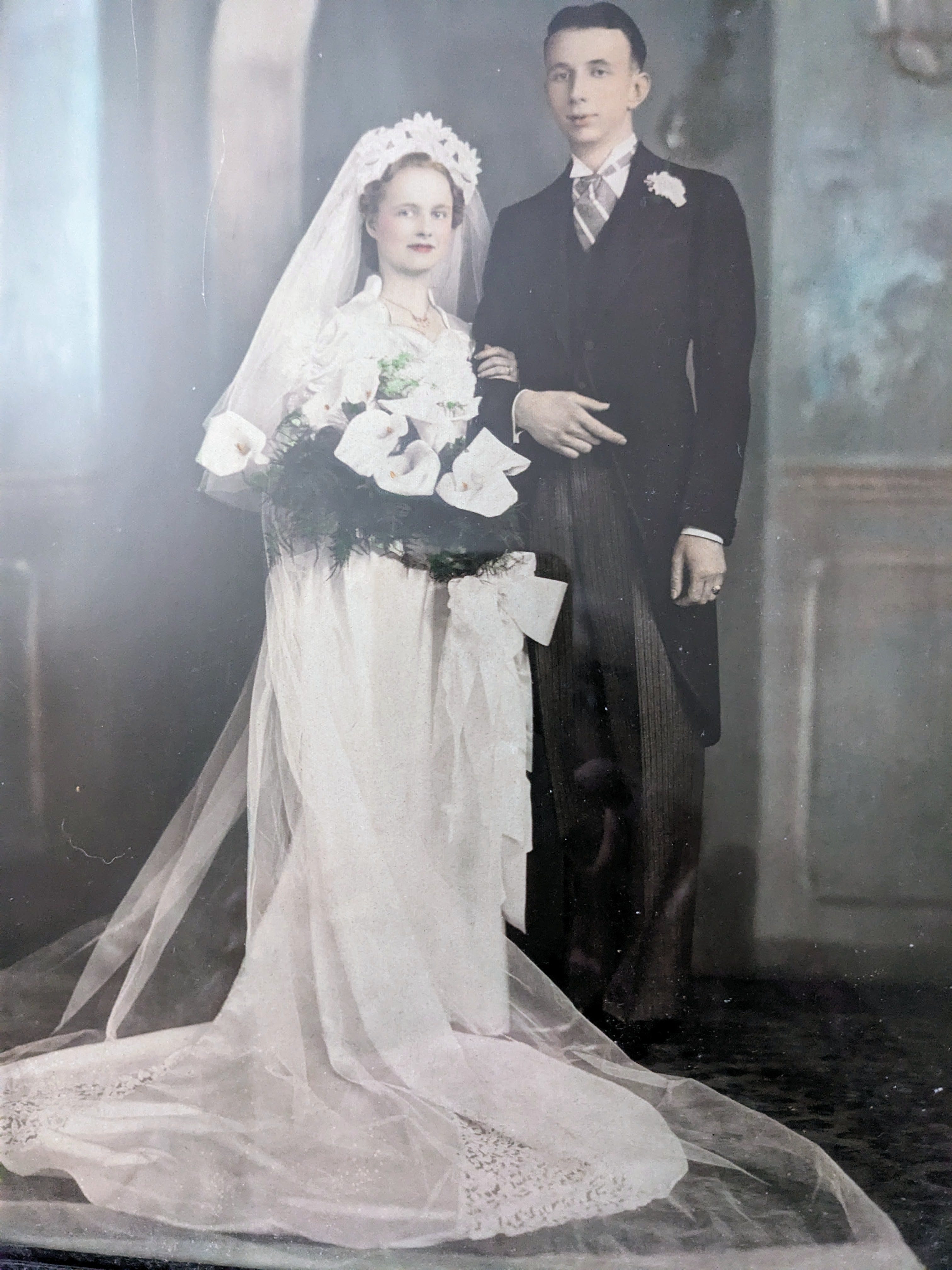
This is a lovely tribute to your parents, Judy. What a striking photo of them on their wedding day! I enjoyed the "frying pan" story and how you connected it to Lithuania's history and early statutes on human rights. You, too, are a tough lady.